
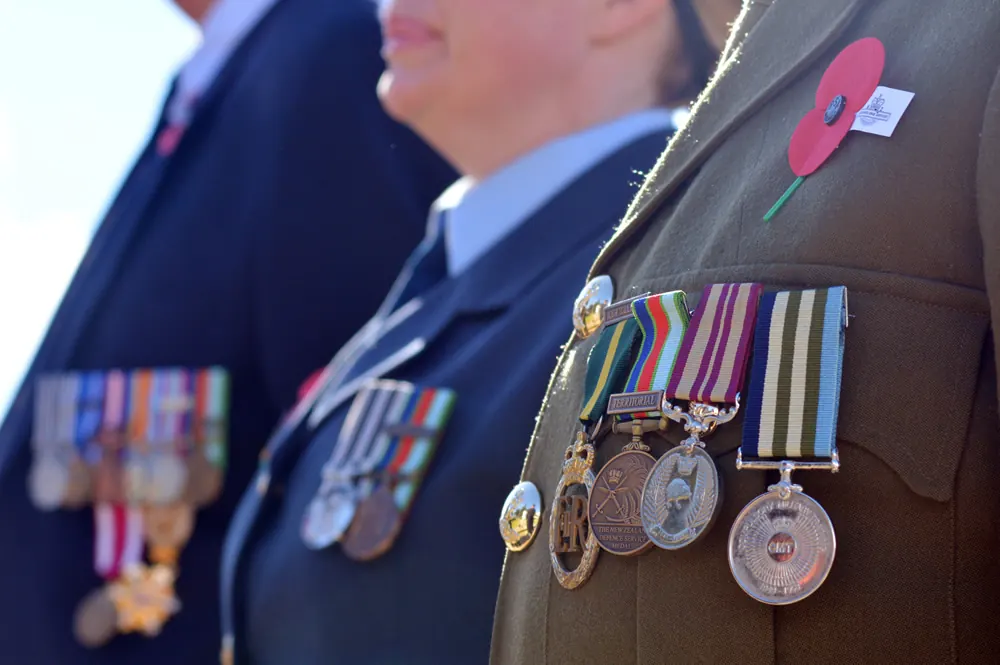
In Australia, a veteran is anyone who is serving or has served in the Australian Defence Force (ADF), in the permanent forces or the reserves. DVA puts it this way: "a veteran is any person who has served more than one day or is serving in the Australian Defence Force". You don't need to have served overseas or in a war.
The legal definition of a veteran
The Australian Veterans' Recognition (Putting Veterans and Their Families First) Act 2019 defines a veteran as "a person who has served, or is serving, as a member of the Permanent Forces or as a member of the Reserves". It sets no minimum length of service.
That Act is about recognising veterans and their families. It doesn't create entitlements you can enforce, and being a veteran doesn't on its own mean you can get compensation or a pension.
Read the Australian Veterans' Recognition Act 2019
What "veteran" meant under the VEA
Under the Veterans' Entitlements Act 1986 (VEA), "veteran" had a narrower meaning tied to eligible war service, and it included some civilians, such as merchant mariners in the World Wars. The VEA is closed to new compensation claims from 1 July 2026. New claims are assessed under the Military Rehabilitation and Compensation Act 2004 (MRCA), which is written in terms of members and former members of the Defence Force. Read what changed on 1 July 2026.
What any veteran can get
Some support depends only on having served:
- Treatment for any mental health condition, paid for by DVA, if you have at least one day of continuous full-time service. The condition doesn't need to be linked to your service. Some reservists without full-time service qualify too. Read about DVA mental health treatment.
- Free counselling through Open Arms for anyone with one day of continuous full-time service, and their immediate family, on 1800 011 046.
- A One-Off Veteran Health Check with your GP at any time after you leave, and an Annual Veteran Health Check that DVA fully funds for the first five years after you transition.
- Recognition through the Australian Defence Veterans' Covenant, including a lapel pin, which you can ask for in MyService. If you're eligible for mental health treatment but don't have a Veteran Card, asking for recognition prompts DVA to issue one.
- Defence Service Homes Insurance, home building insurance for current and former ADF members with at least one day of service.
What depends on your service
Other support depends on your service and circumstances:
- Compensation for an injury or illness caused by service needs a DVA claim that DVA accepts. Former members, including reservists and cadets, can claim.
- The service pension needs qualifying service, which is a different test from the one for compensation.
- A Gold Card or White Card depends on your service, your accepted conditions and your age.
See all veteran benefits in Australia
How many veterans are there in Australia?
The 2021 Census found 581,139 Australians had served or were serving in the ADF: 84,865 current serving members and 496,276 former serving members. One in twenty households had at least one person who had served or was serving. By June 2025, 355,848 veterans and family members had used DVA support.
See the ABS Census results for ADF service
Veteran, serving and ex-serving
DVA uses "veteran" alongside "serving" and "ex-serving" members. It notes that some serving and ex-serving people don't think of themselves as veterans.
Read how DVA describes the people it supports
Checked against DVA's website on 25 September 2026.